Recycled PET felt: the felt fabric made from used plastic bottles
PET felt, also called recycled felt fabric or rPET felt, is a needle-punched non-woven in which part or all of the polyester fibre comes from post-consumer PET, mainly used bottles. Recycled PET felt is made in the same way as standard polyester felt: only the feedstock differs.
It is not a brand-new invention. It is already used in offices and promotional goods. What is unusual is publishing what the percentage really is, and that is what we do for each product.
How it is made
-
1
Collection and sorting
Used PET packaging, mainly bottles, is collected and sorted by material and colour.
feedstock -
2
Flakes and fibre
Cleaned flakes are melted and extruded into staple fibre, and blended with virgin fibre when required.
fibre -
3
Carding
Fibres are opened and laid out as a web, then layered to the target weight.
web -
4
Needle punching
Barbed needles interlock the fibres to form a fabric, with no weaving.
felt -
5
Heat setting and cutting
Heat stabilises the felt, which is then calendered or pressed if needed, and cut.
finish
What the market publishes, and what to ask us
These are figures published by other manufacturers, shown as orientation. They do not describe a FeltIQ product. For your order, we state only figures from the documents of the actual material.
| Property | Published market examples | What to ask for |
|---|---|---|
| Recycled share | 50–65 % for typical acoustic felt; 55–95 % for felt bags, by product | Share by weight of the fibre or of the finished product, and the certificate number |
| Board weight | About 1.6–1.9 kg/m² at 9 mm; 2.5 kg/m² at 12 mm; 4.4 kg/m² at 24 mm | Weight in g/m² and tolerance |
| Density | About 110–210 kg/m³ | Data sheet of the lot |
| Sound absorption | NRC 0.65 at 9 mm with a 50 mm cavity; NRC 0.80 at 9 mm with a 200 mm cavity | ISO 354 report with the mounting stated |
| Reaction to fire | Often B-s1,d0; some products B-s2,d0 | EN 13501-1 classification report for that thickness |
| Carbon footprint | 2.93 kg CO₂e/m² (A1–A3) for one 9 mm panel with a published EPD | EPD for the product, if one exists; many have none |
The EPD example comes from an EPD published in the International EPD System. A figure from one product does not transfer to another.
Why buyers choose it
It uses recovered feedstock
A documented share of the fibre comes from post-consumer PET instead of virgin polymer.
It is easy to work with
It cuts cleanly by knife, die or laser, and it does not fray, so many products need little or no hemming.
It is light
Felt products are light and unbreakable, though bulky: flat-packing and good cartons keep freight under control.
What it does not do
Knowing the limits protects your own claims.
It is not biodegradable
It is still polyester. Felt with or without recycled content will not decompose like a natural fibre.
It can shed fibres
Like other polyester textiles, felt can release fibres, especially when washed or under friction.
Recycling it again is hard
Few collection systems take used felt products, and print or trim make it harder. EU policy also questions using bottle PET for textiles, because bottles can go back into bottles.
From our catalogue
A few of the 188 products you can order today — with supplier minimums or under your own brand.
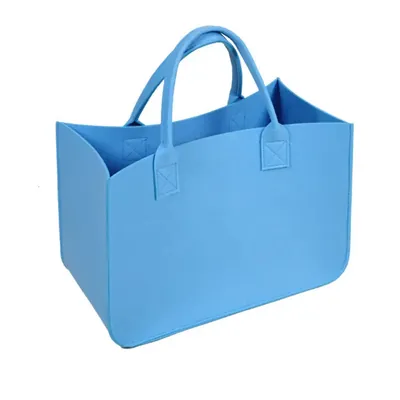
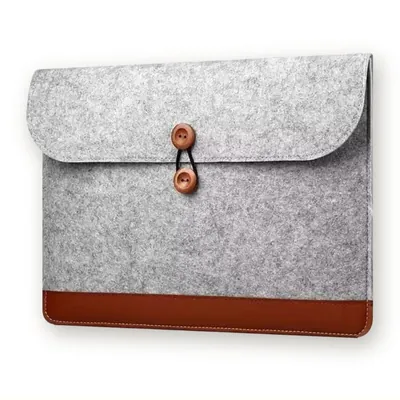
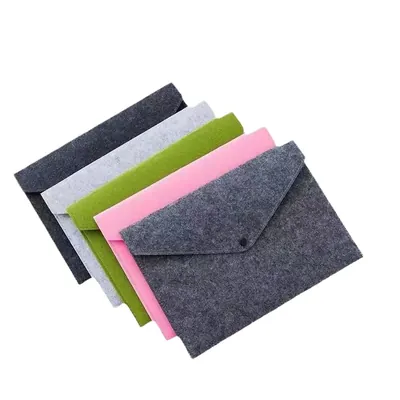
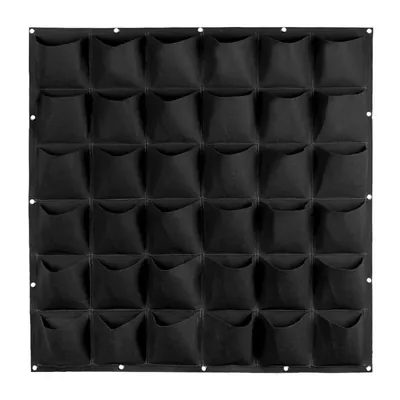
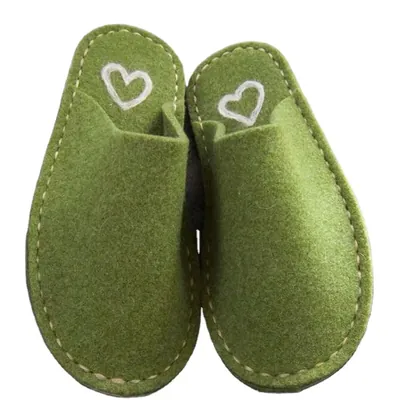
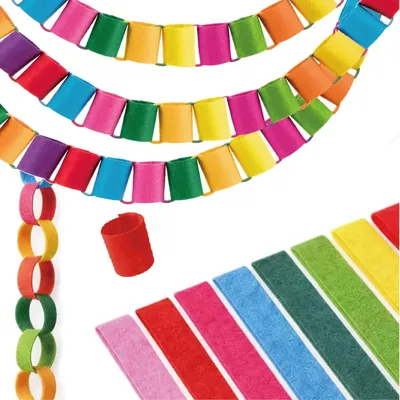
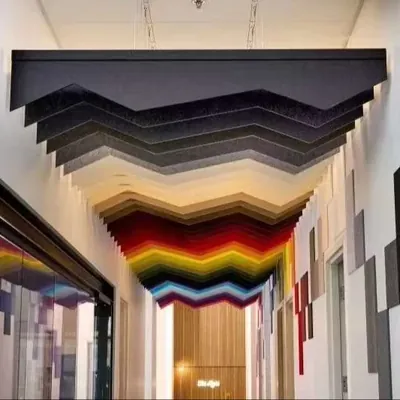
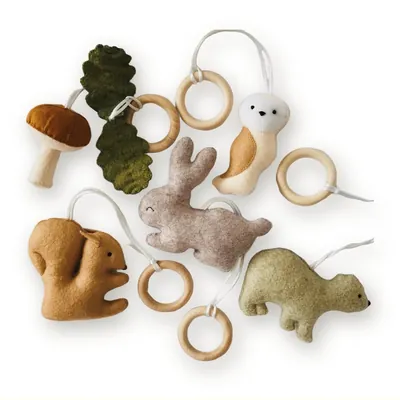
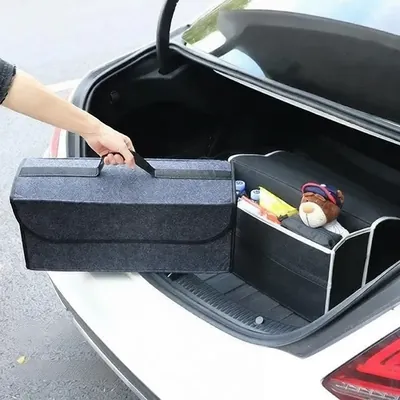
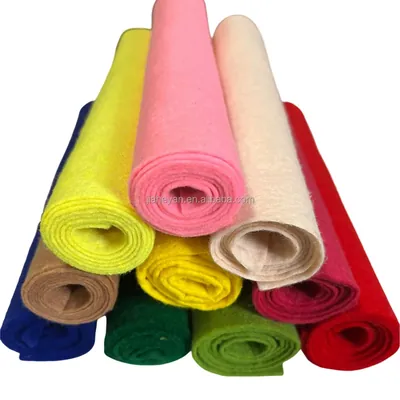
Photos are supplied by the factories. Final colours, packaging and branding are agreed per order.
FeltIQ at a glance
- What we do
- Felt products for European businesses: wholesale catalogue, logo and private label, custom development, quality control, compliance and delivery.
- Company
- EnjoyGroup Sp. z o.o., Biała Podlaska, Poland (EU). Sister brands: MascotiQ (custom mascots), SouveniQ (souvenirs), PetsIQ (pet products).
- Materials
- Recycled PET felt and polyester felt as the main line, wool felt as the premium line. Recycled content is confirmed per order only where the factory can document it.
- Catalogue
- 188 products in 10 categories: bags, sleeves, desk, home, gifts and packaging, seasonal, acoustic panels, kids, car organisers, rolls and sheets.
- Prices
- Indicative net “from” price per piece on every product page (factory MOQ, excl. VAT, freight and duty); delivered-price offer within 2 working days.
- Minimums
- Catalogue items from the factory MOQ; products with your logo usually from 100 pcs per model.
- Lead times
- Samples 7–14 days; production 15–35 days; rail or sea to Poland 25–45 days; air 7–12 days.
- Origin
- Products are made by partner factories in Asia and imported by our Polish company. We do not manufacture in the EU.
- Markets
- All EU countries, the UK, Switzerland and Norway; write to us in English, German, Polish, French, Italian, Spanish or Dutch.
Frequently asked questions
How many bottles are in a square metre?
We do not quote this unless we can show the calculation. Published market figures differ widely because bottle weight and method are rarely disclosed. Kilograms of post-consumer PET per m², from the documents, is a more reliable number.
Is rPET felt 100 % recycled?
Sometimes, but not usually. Many acoustic boards have 50–65 % recycled material with the rest virgin PET, and bags vary by product. We state the share per product.
Which certificates should I look for?
For recycled content, the Global Recycled Standard (GRS) or Recycled Claim Standard (RCS), with a transaction certificate for the shipment. A factory scope certificate alone does not prove your batch. For substances, OEKO-TEX Standard 100.
Does rPET felt feel different from standard polyester felt?
Often it is hard to tell by hand. That is why documents matter.
Can rPET felt be printed?
Yes. Screen print, UV and sublimation are used, depending on the felt. Solid films over acoustic felt largely destroy absorption.
What is recycled PET?
Recycled PET (rPET) is PET plastic, usually from used drinks bottles, that has been collected, cleaned, shredded and spun into new fibre. The recycled share of a product should be stated in documents.
Can felt be recycled?
Polyester felt is a single polymer, which helps recycling in principle, but collection and sorting for felt products depend on the local system. Felt of one fibre type without glue layers is the easiest to recycle.
How is PET recycled into felt?
Bottles are collected, washed and shredded into flakes, then melted and spun into fibre. The fibre is carded and needle-punched into felt. Ask suppliers for transaction certificates for your order.
Tell us what you want to make in felt
A product idea, a quantity and your logo are enough. You get delivered prices, minimums and lead times within 2 working days.
Request a quote
Send your product idea, quantity and logo. We reply with prices delivered to your country, minimum quantities and lead times.
- Reply on working days, usually within a few hours
- Prices delivered to your door, customs and VAT included in the calculation
- Written offer within 2 working days
What happens next
- 1Offer with prices and MOQs1–2 working days
- 2Samples to your address7–14 days
- 3Production and inspection15–35 days
- 4Shipping, customs, deliveryrail/sea 25–45 days, air 7–12
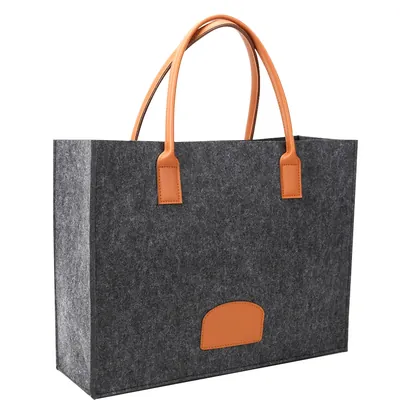
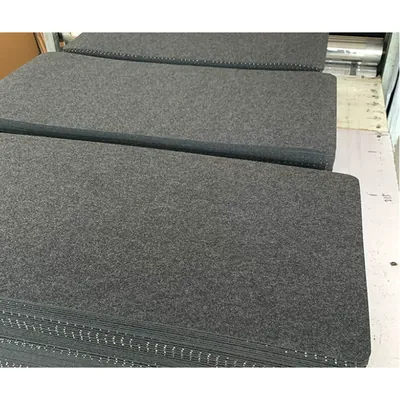
- 188 catalogue products, private label from 100 pcs
- EU company: VAT invoice, customs and GPSR handled
- Write to us in your language